
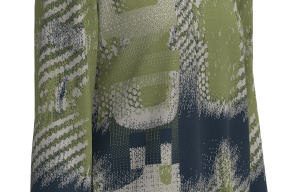
Digital knitwear design with just a few clicks

A knitwear designer’s take on the Source Fashion event, by Jo Storie
26th January 2026
Knitting Industry
|
London
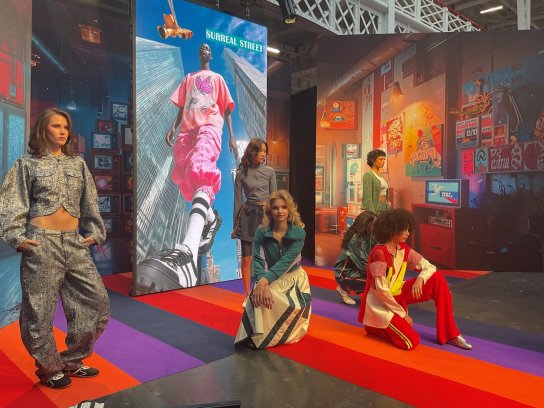
I came away from this month’s Source Fashion trade show this feeling genuinely inspired. As a designer and product developer, the London event isn’t your typical trade fair – it’s smaller, relaxed, and intensely curated. Knitwear may have been a smaller slice of the show, but the quality and creativity on display made it clear: this is where the future of responsible, fully fashioned knitwear is happening.
From couture hand knitting in Nepal to circular post-consumer yarns and breathtaking Mongolian cashmere, I was struck by craftsmanship, sustainability, and transparency at every turn. Seeing these suppliers in the room, ready to discuss fibre, technique, and finished garment capability, gave me real confidence in their skills and integrity.
My three pillars at Source
When I’m walking a show like this, I’m really thinking about three things – my non-negotiables:
1.Product and technical capability
Craftsmanship that can carry an idea from sketch to finished garment. Stitch quality, finishing, trims, buttons, zips; natural fibres like cashmere, alpaca, and cotton are preferred. Acrylics and synthetics don’t align with my clients’ expectations.
2.Operational readiness
Machinery, lead times, unit costs, development charges, MOQs. Clear, straight answers are essential.
3.Relationship and reliability
Transparent, communicative, and organised suppliers who are capable of long-term collaboration.
Stand-out brands
Kumbeshwar Technical School (KTS), Nepal
Their couture-level hand knitting was jaw-dropping. They showcased complex cables, intricate lace structures, and beautifully executed techniques in alpaca and wool. What impressed me most was how technique was used as a design language, not just decoration - every stitch had purpose and intent. This is exactly the kind of skill that inspires fully fashioned, high-value knitwear collaborations.
Fibre to Fibre
They take post-consumer garments and transform them into new yarns and fabrics in a circular, regenerative system. This is not novelty upcycling - the fibres are technically engineered to be repeatable, reliable, and usable in professional collections. For anyone serious about sustainability without compromising on quality, this approach is brilliant.
Khanbogd Cashmere, Mongolia
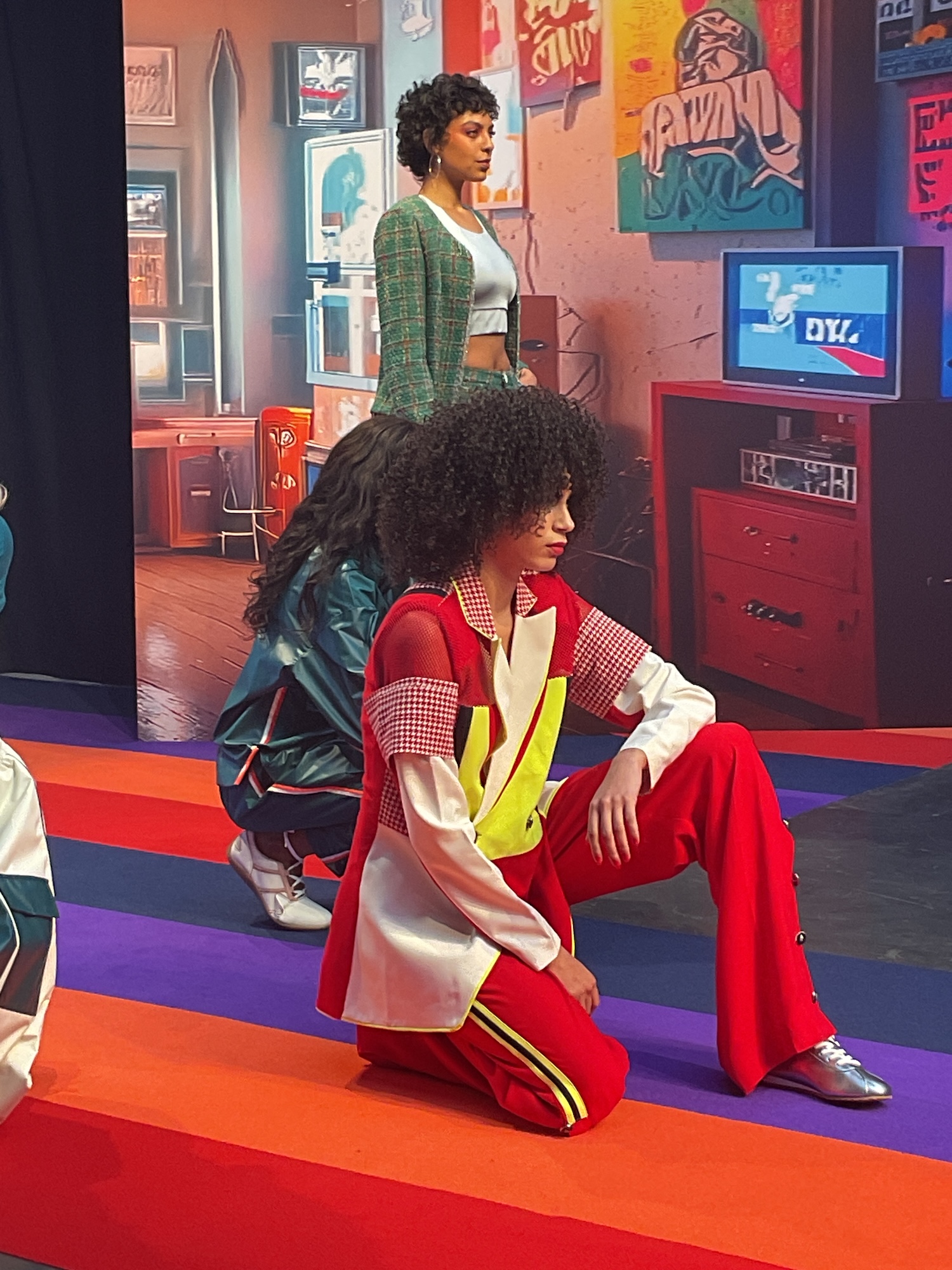
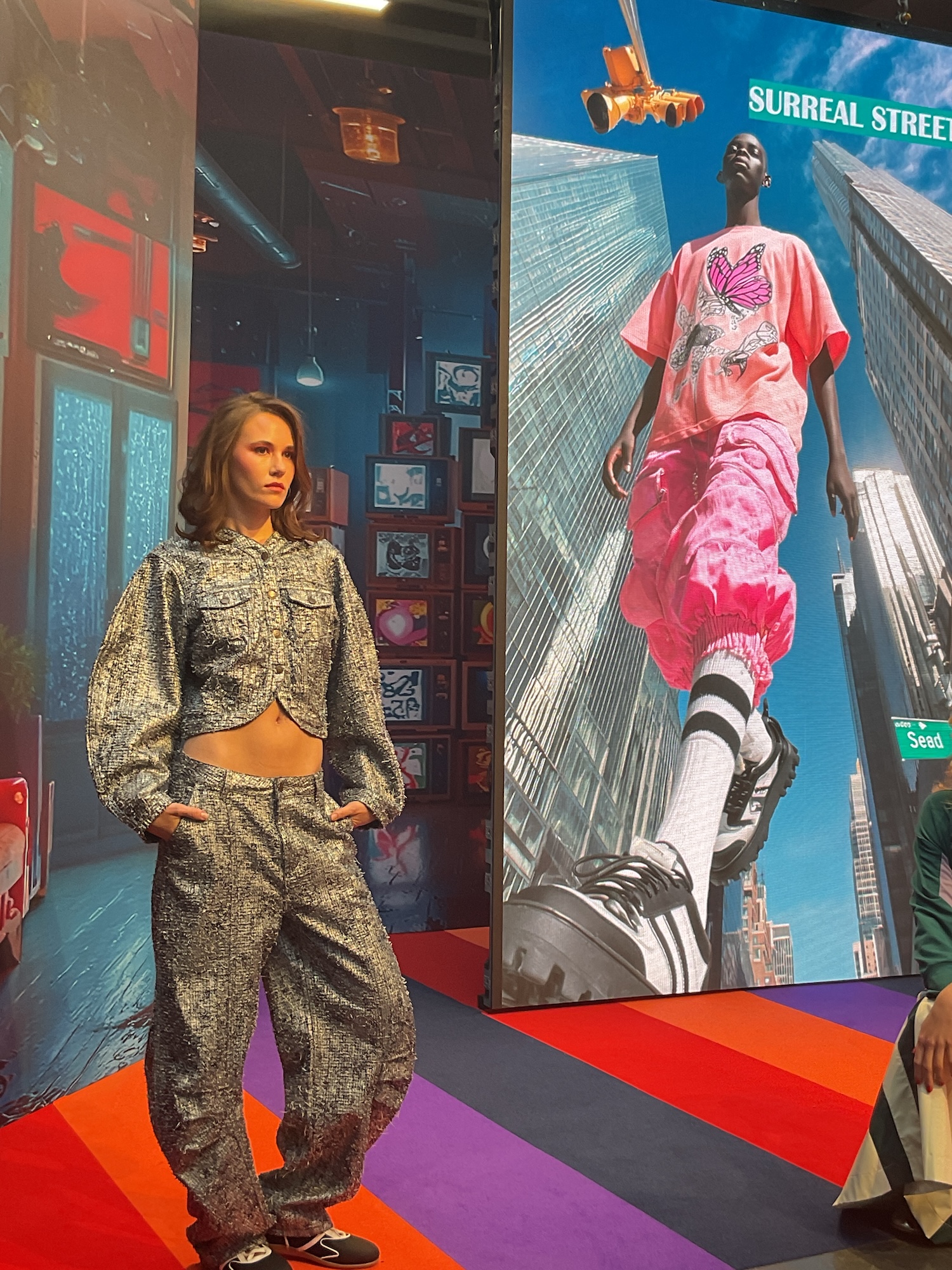
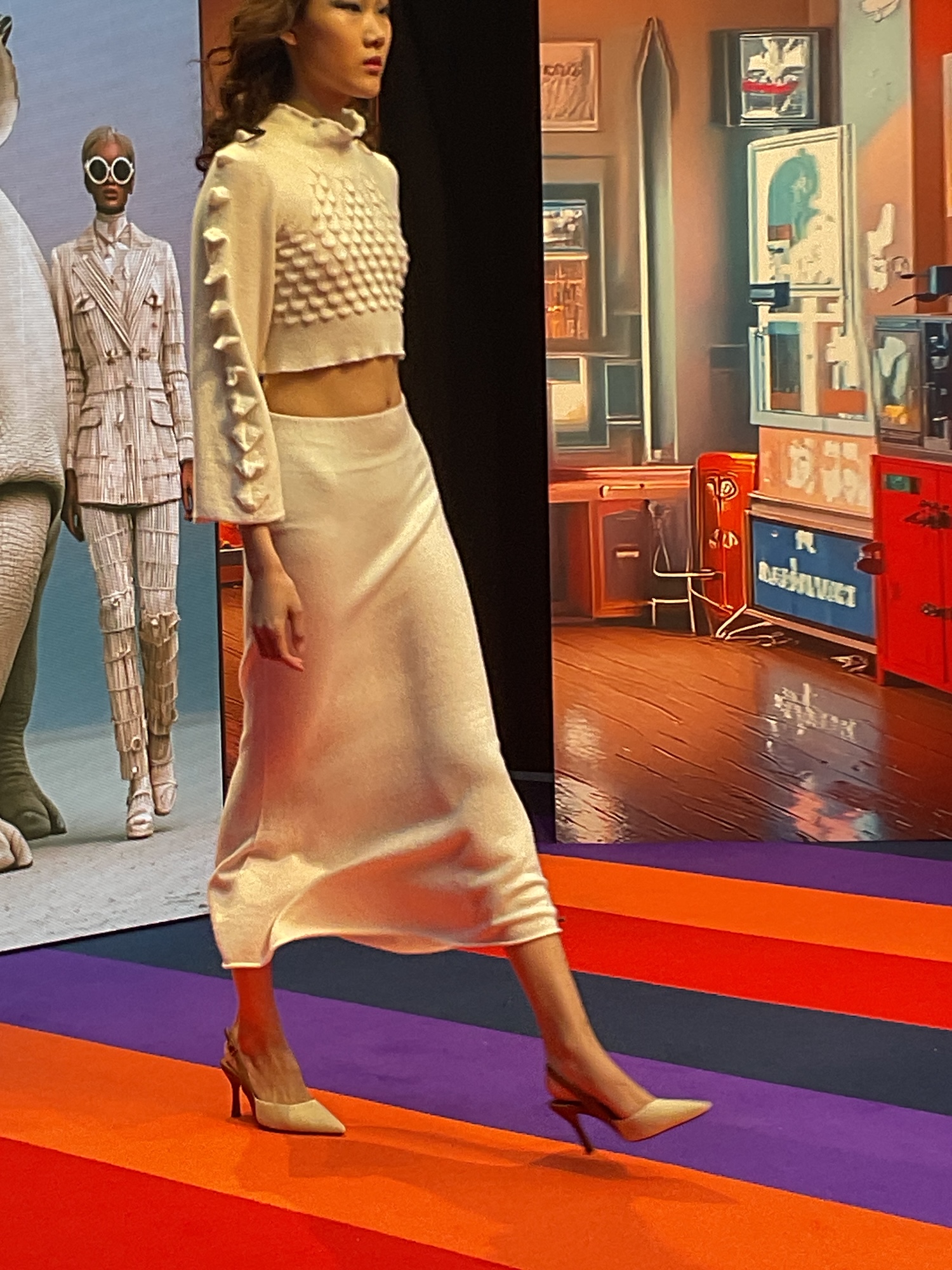
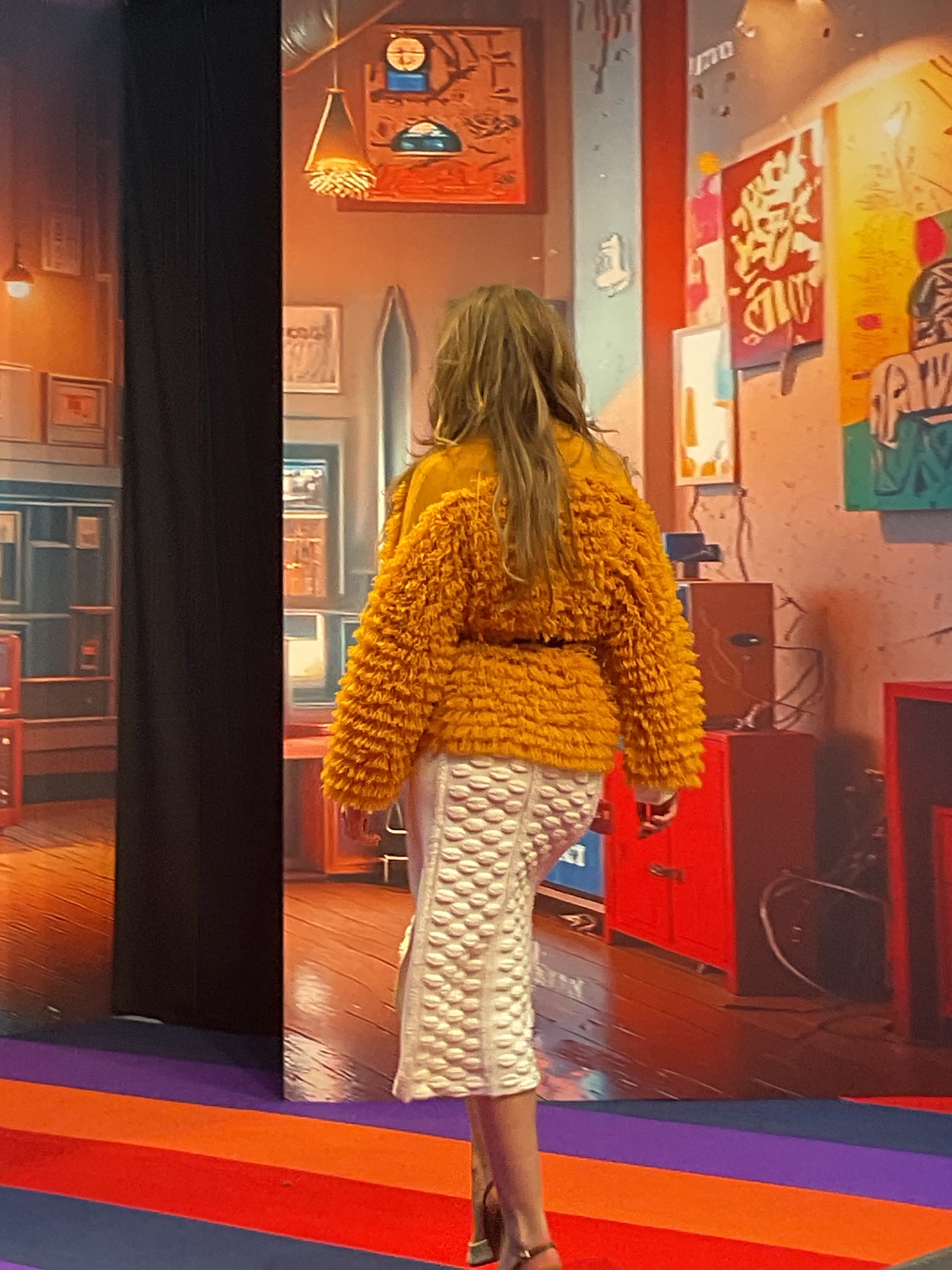
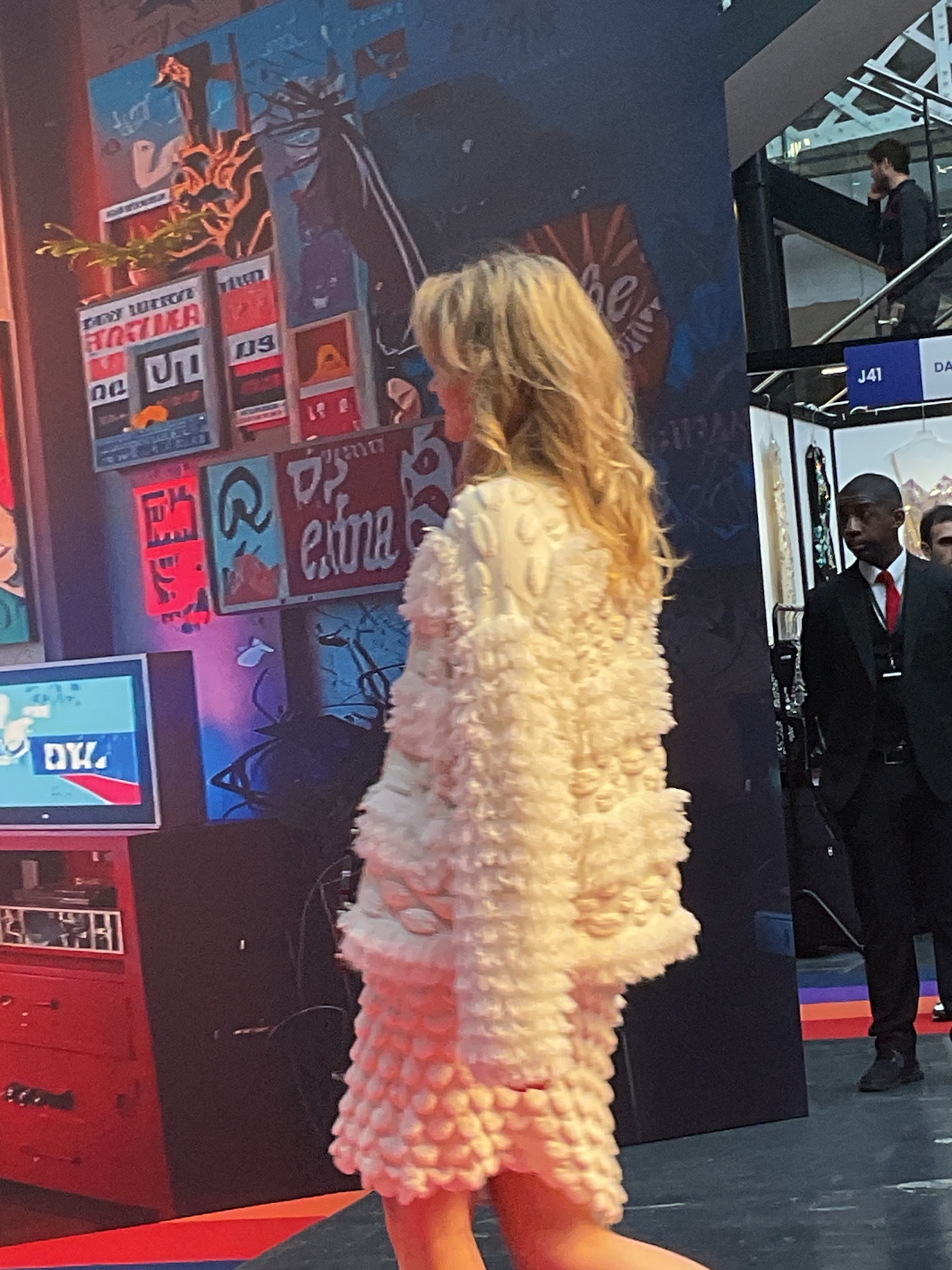
Their catwalk left me reaching for my camera. The stitch work was breathtaking, precise, and fully intentional, demonstrating complete mastery of fully fashioned knitwear. What sets them apart is their vertical integration - being close to the raw material source allows them to take cashmere from fibre through to finished garment economically, sustainably, and with full control over quality. This is a real dream for designers seeking high-value, responsible knitwear.
The Source experience
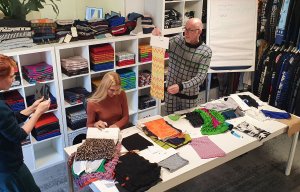
One of the things that makes Source really special is the interactive, hands-on element. Catwalks, workshops, fireside chats, and live making demonstrations all run side by side. You can observe – and in some cases participate in – garments and merchandise being created in real time. I even got to make my own merch while I was there.
The relaxed atmosphere also allows proper conversations and deep dives. Walking around, I felt like I’d found my people – other designers, makers, and manufacturers who care deeply about materials, technique, and responsibility.
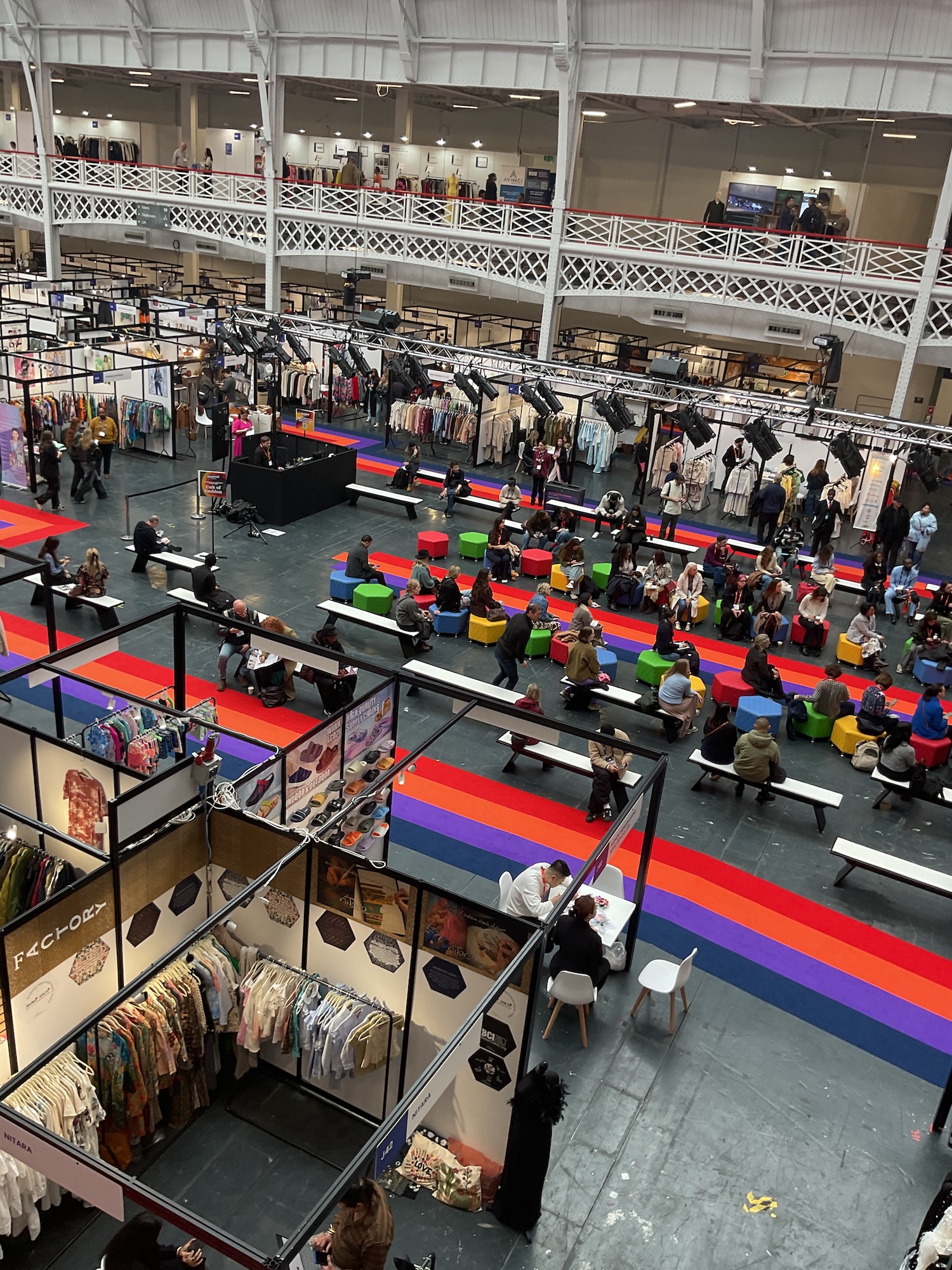
For me, this created a strong sense of alignment. The designers, makers, manufacturers, and innovators present shared a common mindset: curiosity, responsibility, and respect for materials and skills. These felt like my people – a community interested not only in what we make, but in how and why we make it.
Sustainability, transparency and the future of knitwear sourcing
What was also evident from all the brands I spoke to was their utter commitment to sustainability and the global environment. In recent years there was a focus on the workers and fair trade treatment of them – that’s not to give it a spotlight, it’s a given – but it’s so refreshing to see the transparency of their operations being front and centre of their marketing.
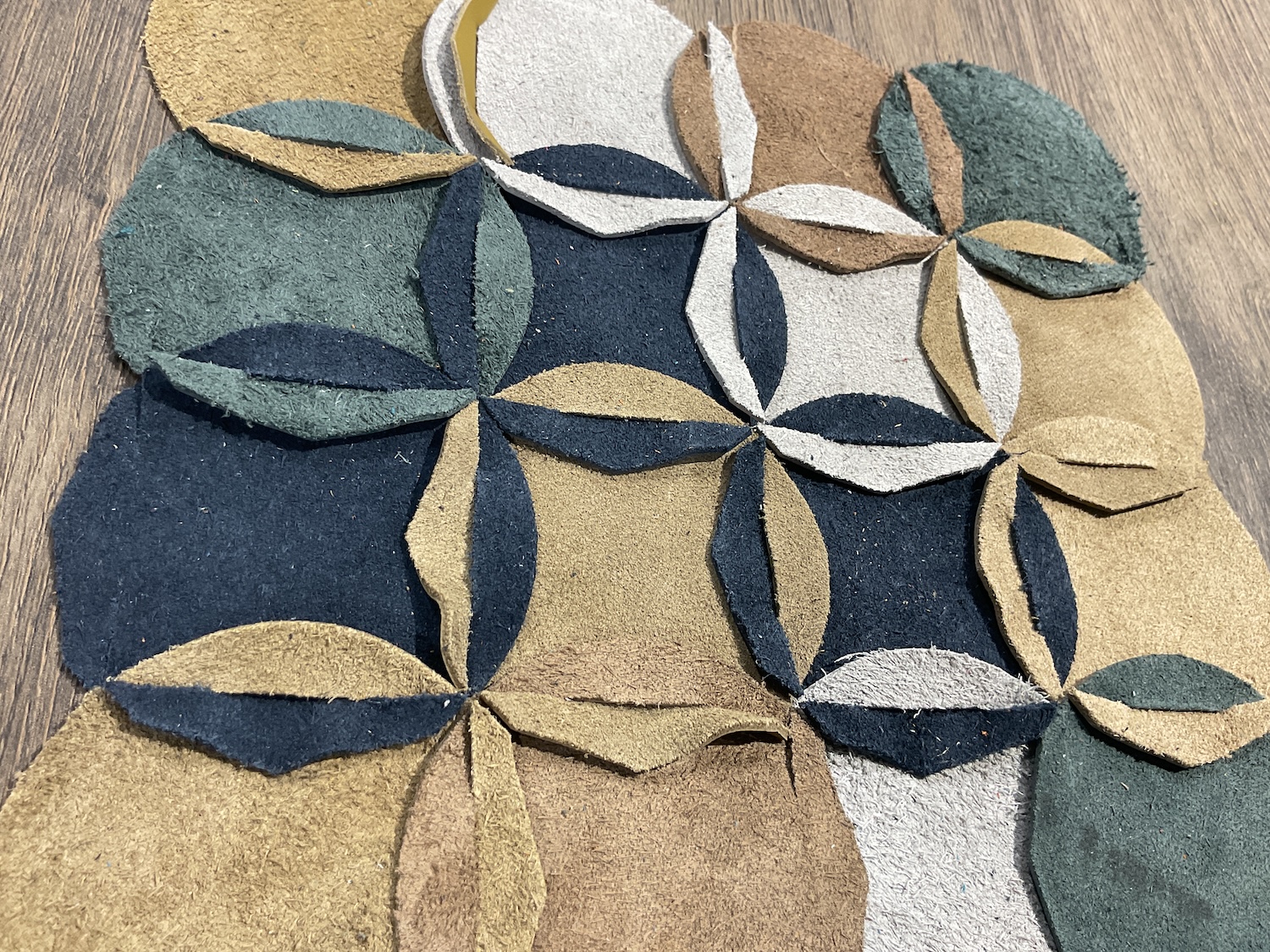
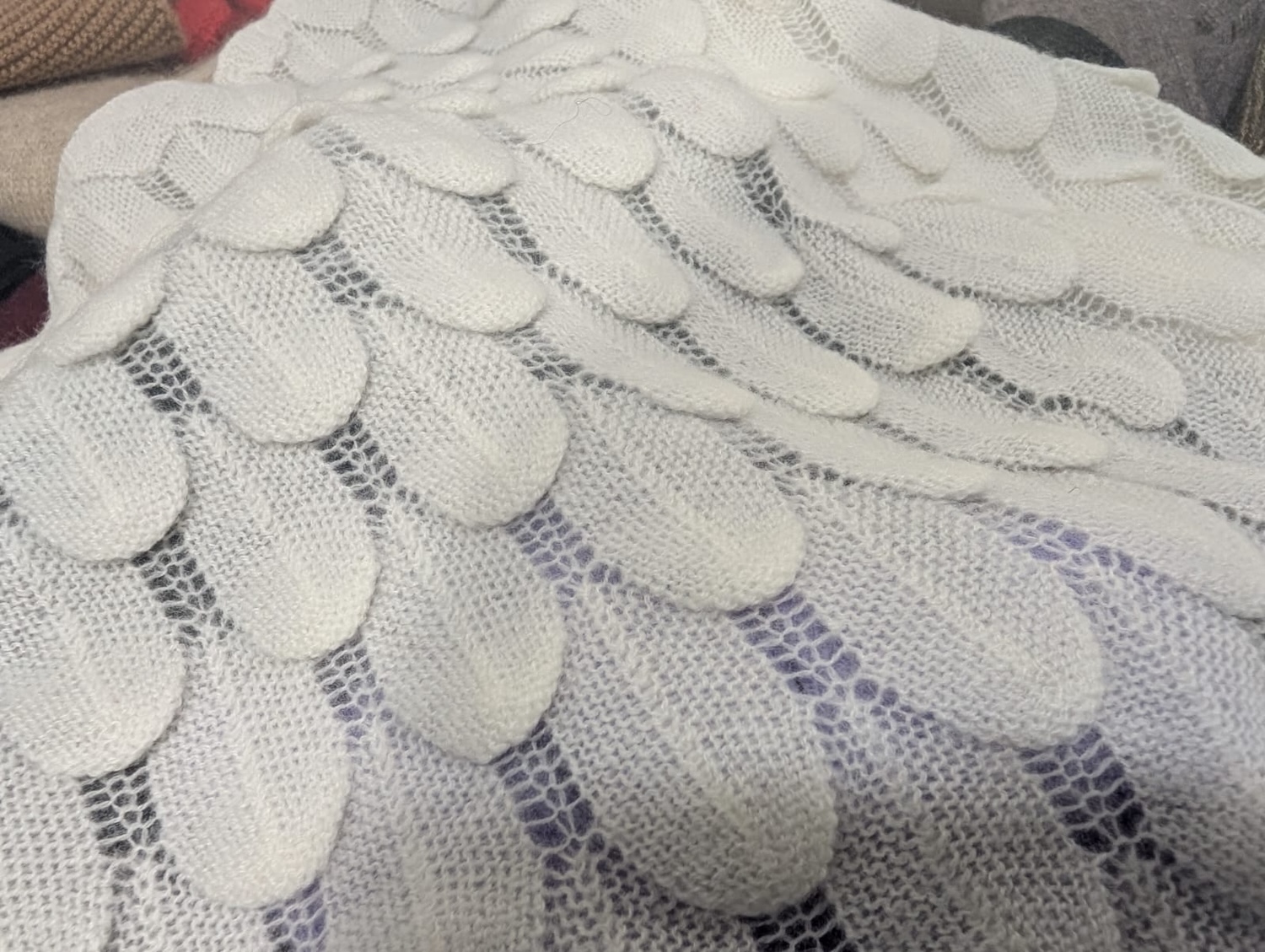
For knitwear in particular, this level of openness matters. The connection between fibre, technique, and finished garment is too direct to ignore. Seeing sustainability embedded into business models, rather than layered on as a marketing narrative, reinforces the idea that responsible sourcing and technical excellence are no longer separate conversations – they are fundamentally intertwined.
About Jo Storie & The Knit Expert
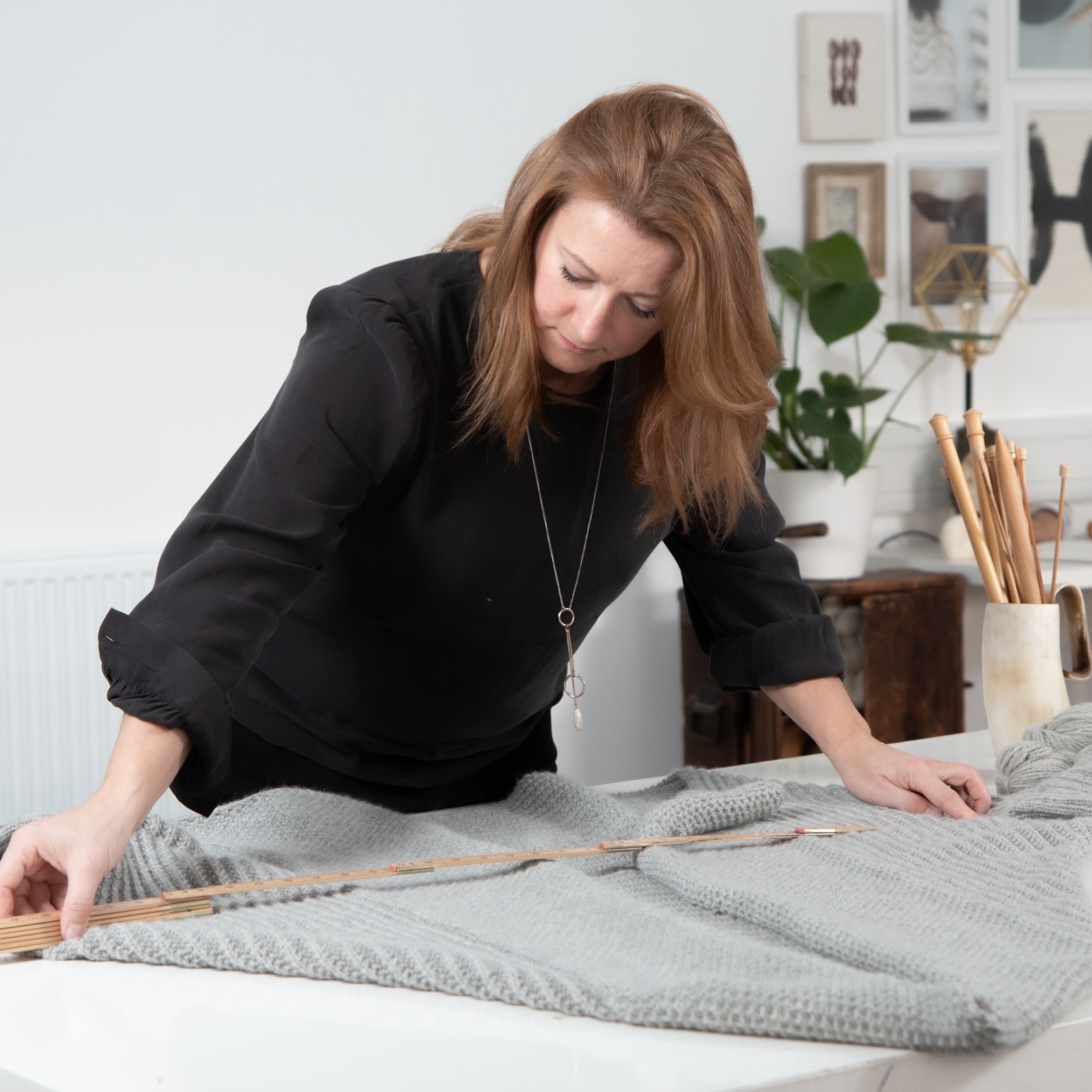
With over 30 years in the knitwear industry, Jo brings deep expertise in design, development, and production - from artisan craftsmanship to cutting-edge technical innovation.
Through Jo Storie Knit Design Consultancy – The Knit Expert, Jo helps brands, mills, and designers transform creative ideas into commercially successful, sustainably made knitwear. Her work bridges luxury aesthetics with responsible sourcing and manufacturing - whether it’s Italian cashmere, British wool, or bespoke fibre innovation.
Jo collaborates closely with clients across the UK and Europe, offering creative direction, trend forecasting, yarn sourcing, and product development. From concept to production, she supports teams to elevate their knitwear offering with clarity, originality, and technical precision.
Contact details
If you’re looking for a trusted partner to bring depth, creativity, and commercial understanding to your knitwear journey — let’s talk.
Based in Northumberland, UK | Working globally
+44 (0)7515 900 542

Business intelligence for the fibre, textiles and apparel industries: technologies, innovations, markets, investments, trade policy, sourcing, strategy...
Find out more