
Digital certification project for Italian textile machinery

How front-loaded development systems unlock craft, clarity, and long-term value.
12th January 2026
Knitting Industry
|
Fort Worth, Texas, USA
Fully fashioned knitwear is one of fashion’s most technically demanding categories, yet it is still often developed using systems designed for speed and scale rather than for the amplification of craft. The result is familiar: excessive sampling, diluted stitch ideas, strained factory relationships, and sustainability ambitions that erode under commercial pressure.
As more brands turn to artisan and heritage knit production to differentiate themselves, these misalignments become increasingly visible. Craft is positioned as the value driver, but the development frameworks guiding the work rarely allow it to function as such. Without the right internal framework, teams are spread thin and manufacturers are forced into reactive roles.
What is often described as “the complexity of knitwear” is, in reality, a failure of timelines and translation. Knitwear requires a different approach.
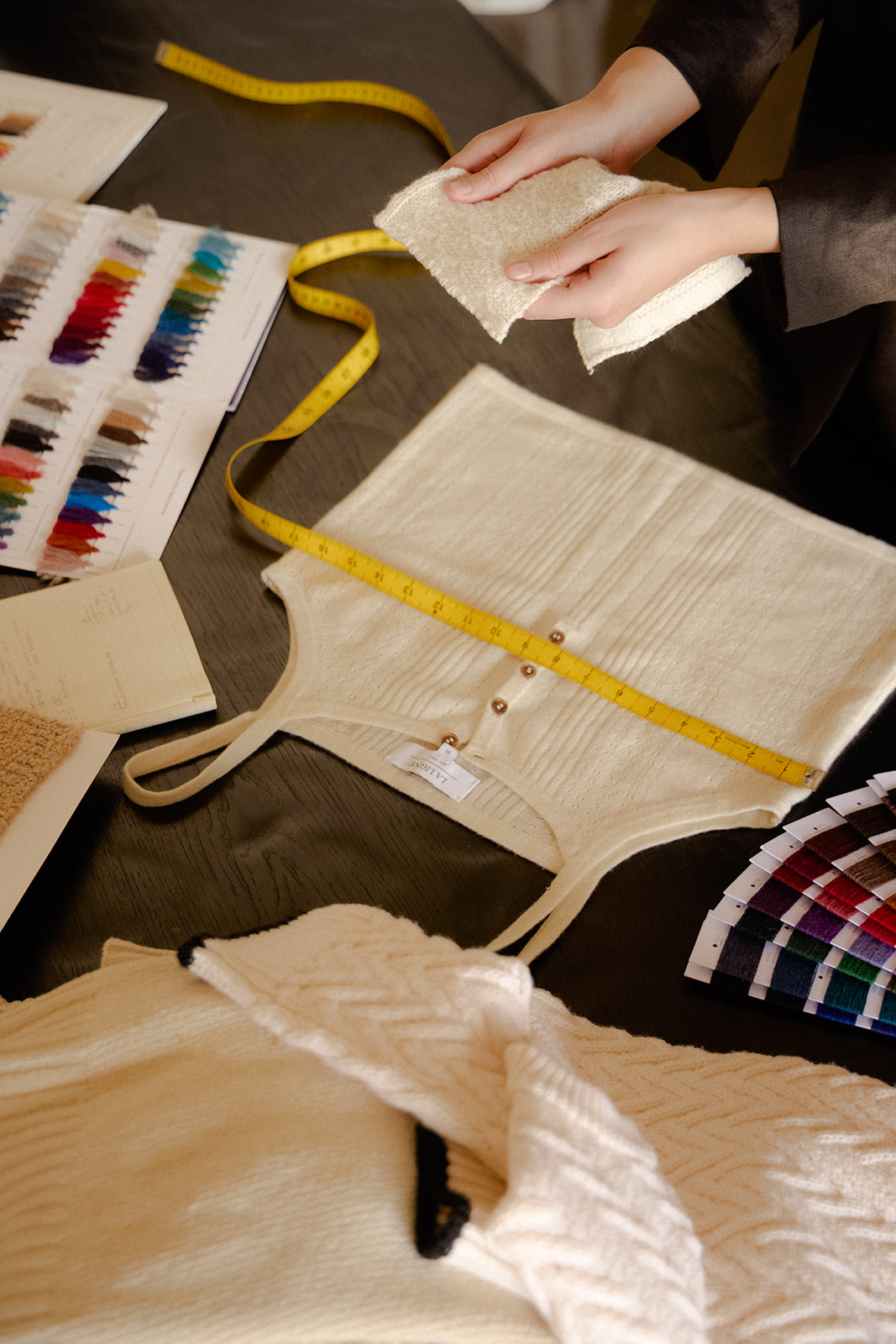
Unlike cut-and-sew, knitwear integrates design, engineering, and production from the outset. When early decisions lack technical clarity, inefficiencies compound downstream. Sampling expands. Communication breaks down. Artisan skill sets are reduced to execution rather than collaboration. The cost is paid in time, material waste, and weakened trust across the supply chain.
After years of working inside brands and alongside manufacturers, a clear pattern emerged: the issue is not creativity or intention, but the absence of a development system designed specifically for knitwear as a craft-led discipline.
Reframing knitwear development as a front-loaded, strategic process changes the outcome. When stitch development, proportion planning, grading logic, and production strategy are addressed at the concept stage, sampling becomes refinement rather than correction. Design intent is translated into a language manufacturers can execute, enabling partnership instead of interpretation.
For brands seeking to move beyond seasonal troubleshooting and into sustained knitwear leadership, the work begins upstream. These are not short-term adjustments, but long-term investments in how knitwear is designed, produced, and valued. When approached with this level of intention, knitwear shifts from a challenging category into a strategic asset – one capable of aligning craft, ethics, and commercial viability over time.
About the Author
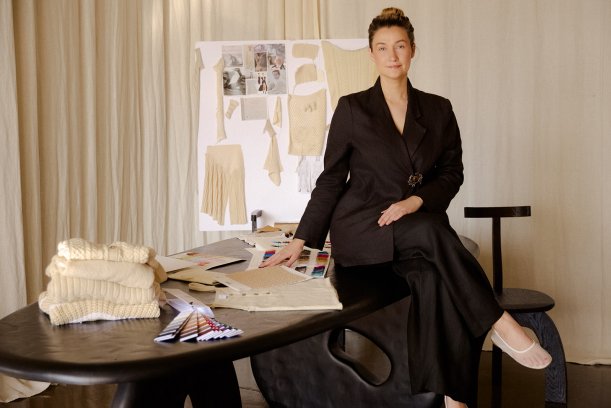
Meredith Noles is a knitwear consultant and founder of Noles Studio, where she partners with fashion brands and manufacturers to develop ethical, elevated knitwear through strategic development systems. Her work centers on translating creative vision into clear technically savvy knits, aligning design intent, artisan skill sets, and production realities to reduce waste and improve outcomes season over season.
She is the creator of the Fully Fashioned Program, a structured knitwear development partnership for brands seeking to move beyond reactive sampling and into sustained ethical and elevated knitwear.
To explore Meredith’s approach to knitwear development or learn more about the Fully Fashioned Program, visit nolesstudio.com.

Business intelligence for the fibre, textiles and apparel industries: technologies, innovations, markets, investments, trade policy, sourcing, strategy...
Find out more